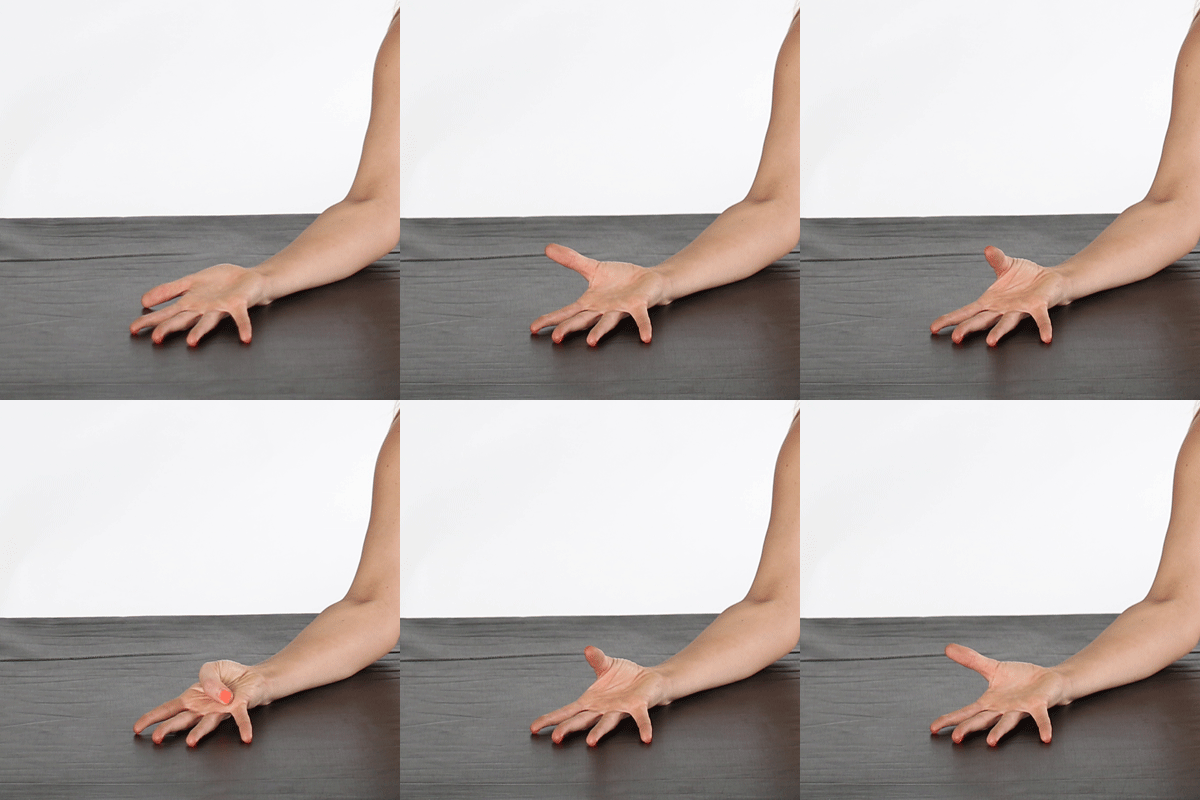
1Thumb lifts
Rest your hand flat on a table, palm down. Slowly lift just the thumb up and away from the hand, then lower it back down.
2 sets10 reps
Gentle routine for sore thumb-side wrists. About 10 minutes.
One exercise at a time, with a set counter and timers for the holds.
Done for today. Nice work.
Rest your hand flat on a table, palm down. Slowly lift just the thumb up and away from the hand, then lower it back down.
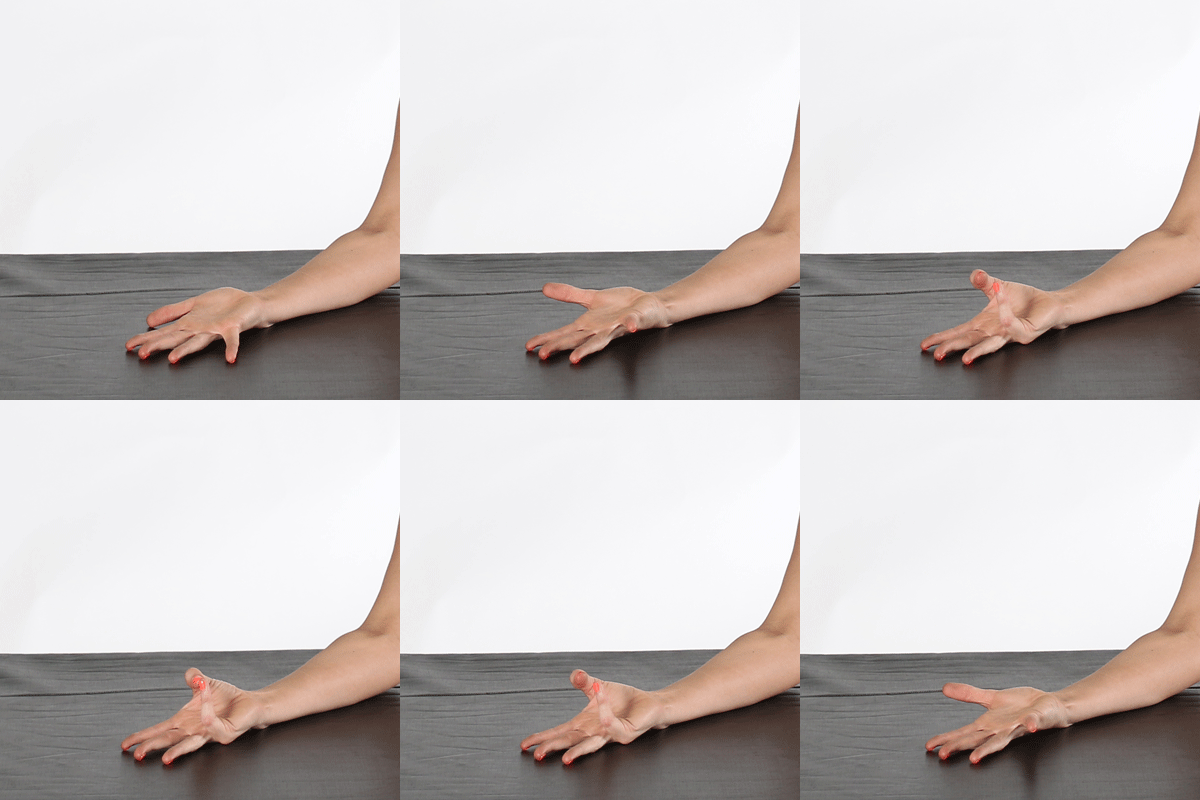
Hand flat on the table. Touch your thumb to the tip of each finger in turn, index to little finger, then back. Keep it smooth and relaxed.
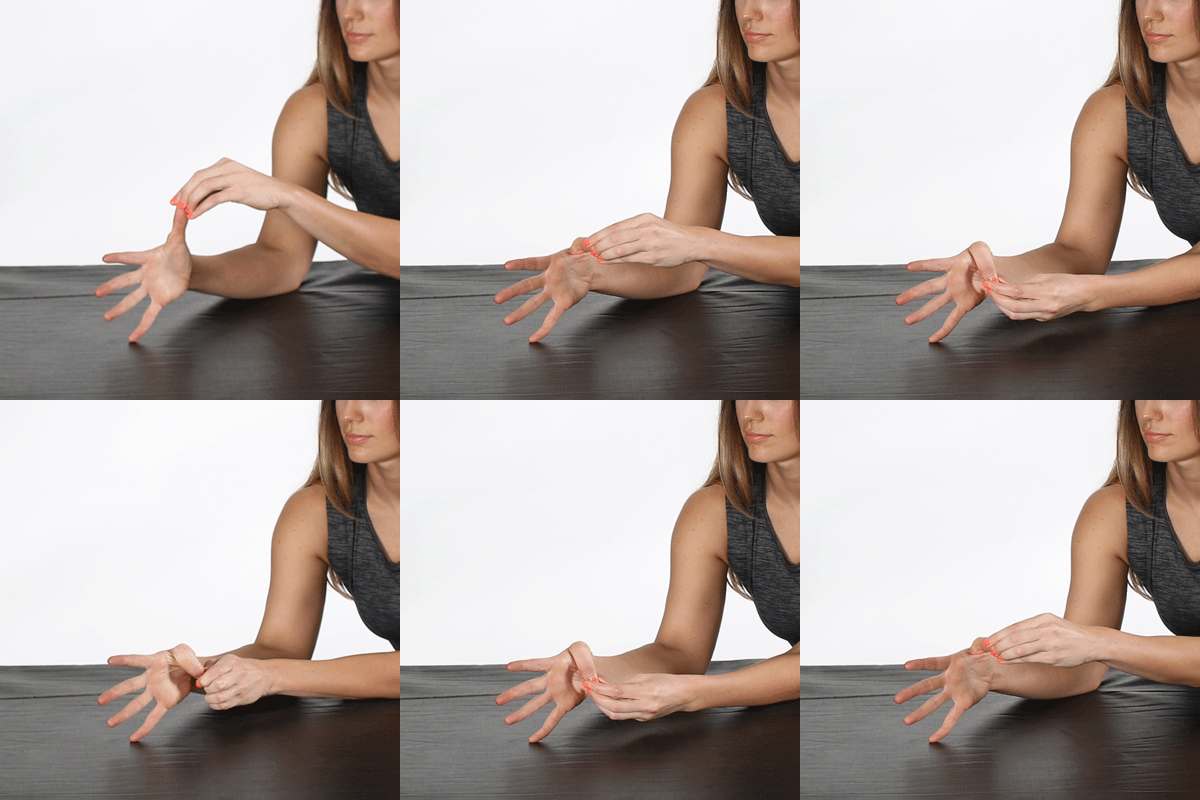
With your other hand, gently guide the thumb across the palm toward the base of the little finger. Hold 5 seconds, then release.
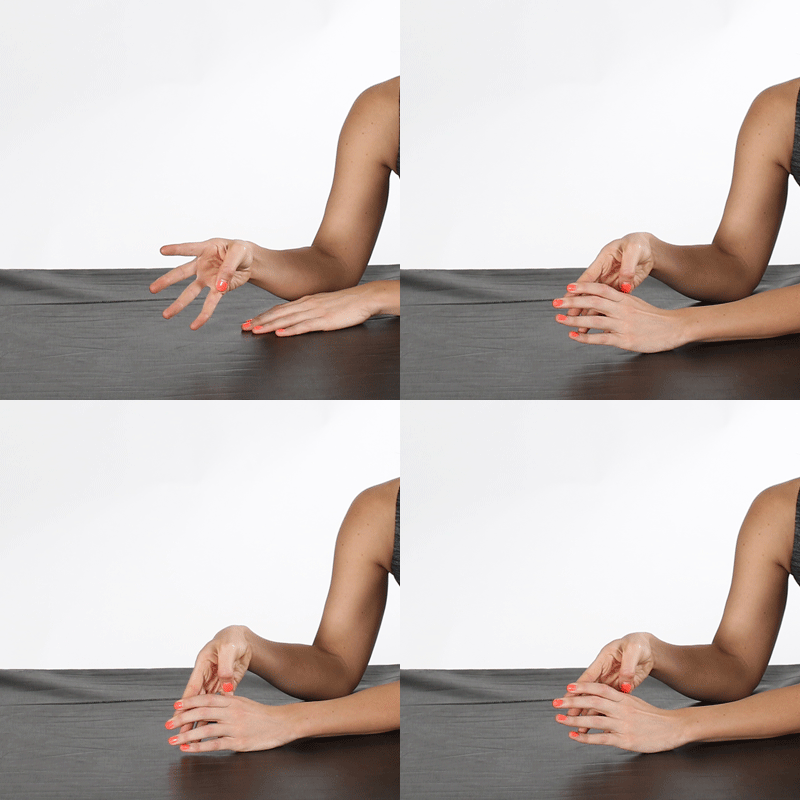
Tuck your thumb into a loose fist. Tilt your wrist gently down toward the little finger until you feel a mild stretch on the thumb side of the wrist. Do not push into pain.
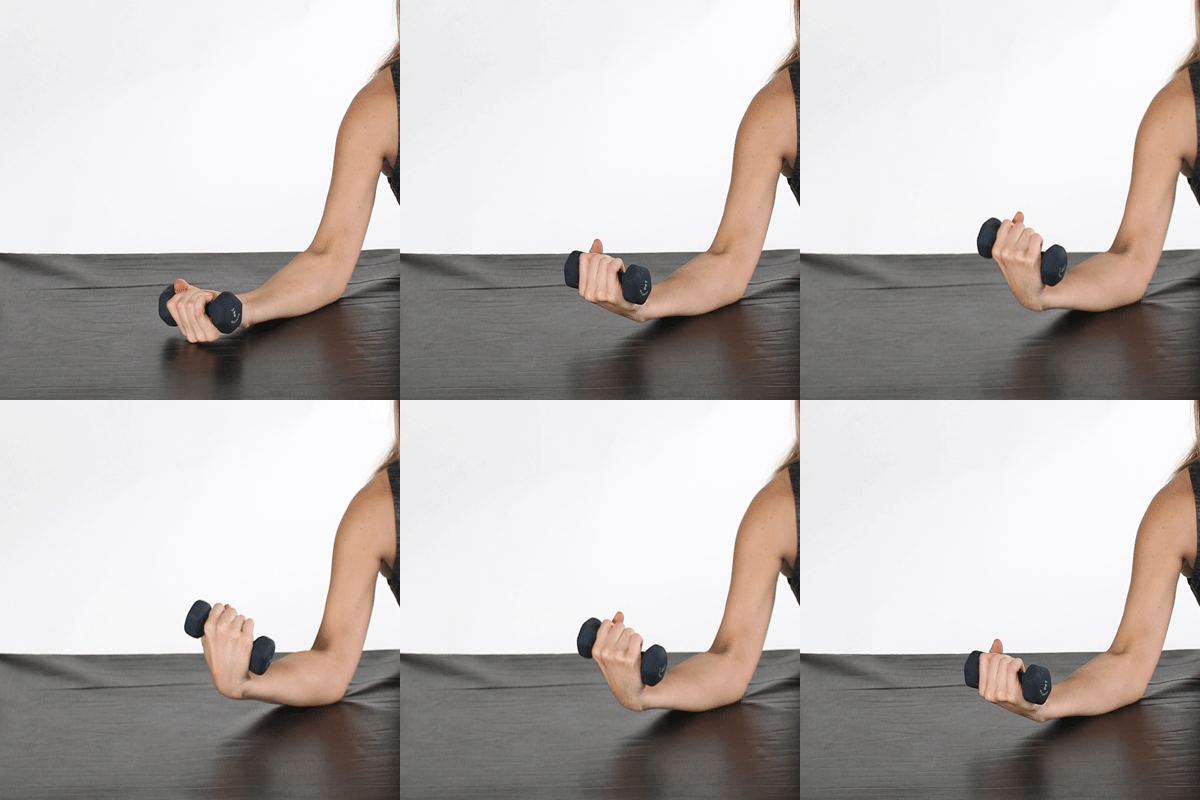
Forearm on the table, palm up, holding a very light weight (a small tin works). Slowly curl the wrist up, then lower it.
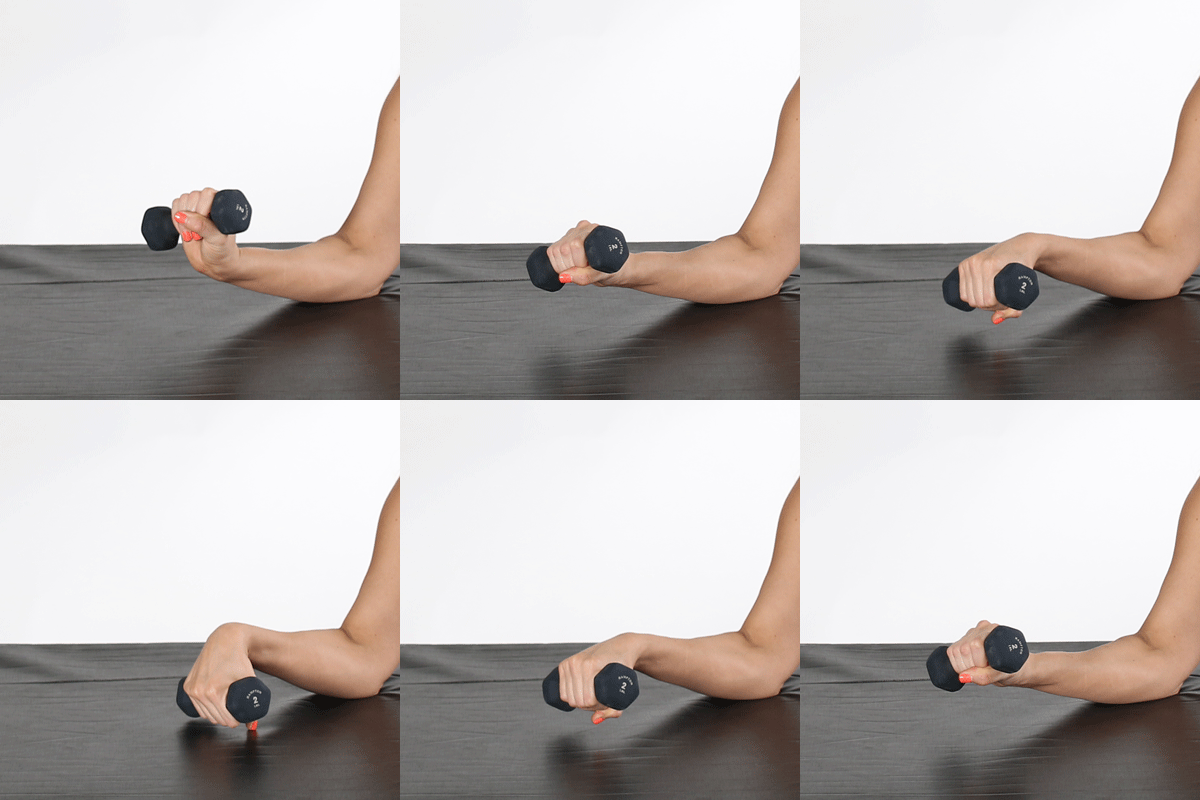
Forearm on the table, palm down, holding the same light weight. Slowly lift the back of the hand up, then lower it.
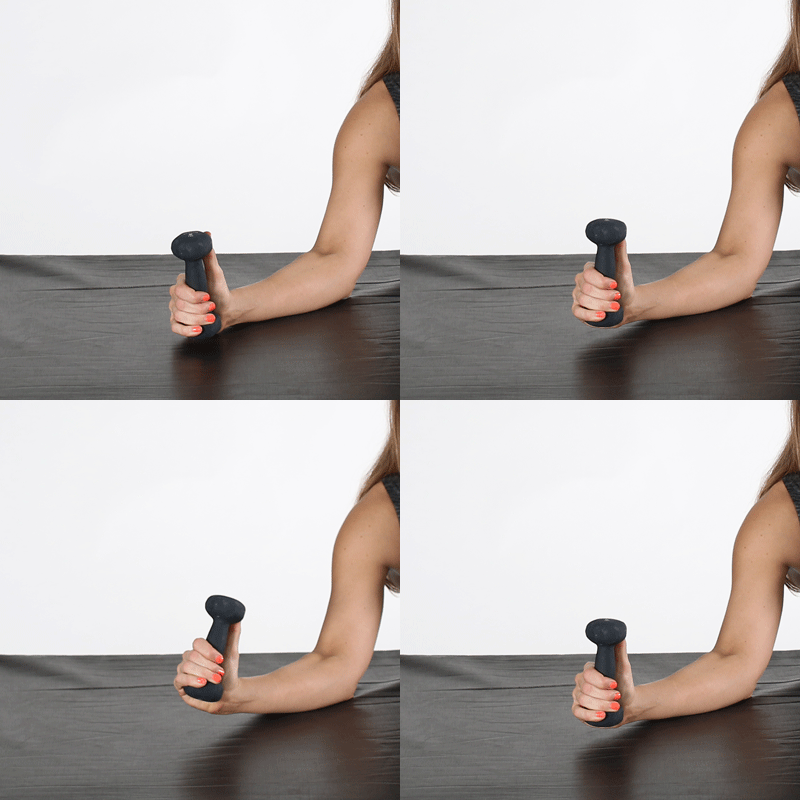
Hold a very light weight, like a small tin or 0.5 kg, with the thumb pointing up. Slowly tilt the hand up toward the ceiling, then back to the start.
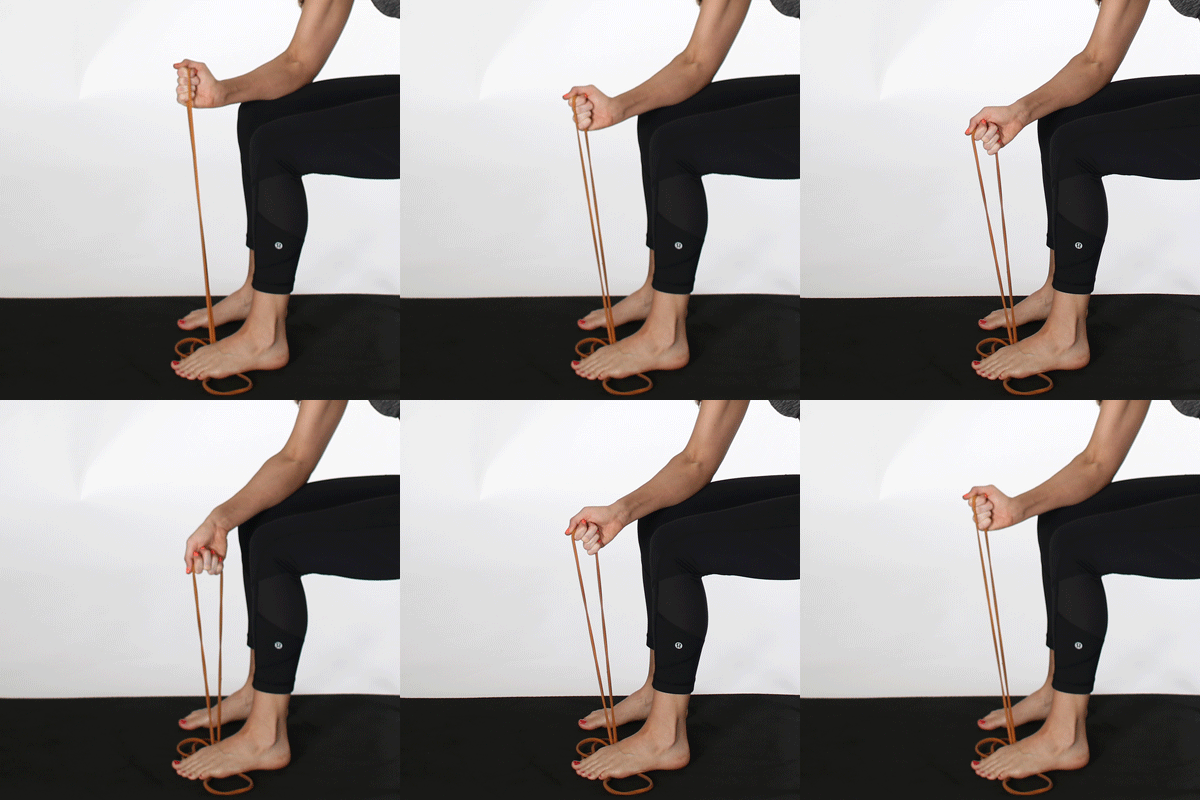
Sit with a resistance band under your foot, thumb up. Use your other hand to lift the band, then let the sore wrist lower it slowly, counting 4 seconds.
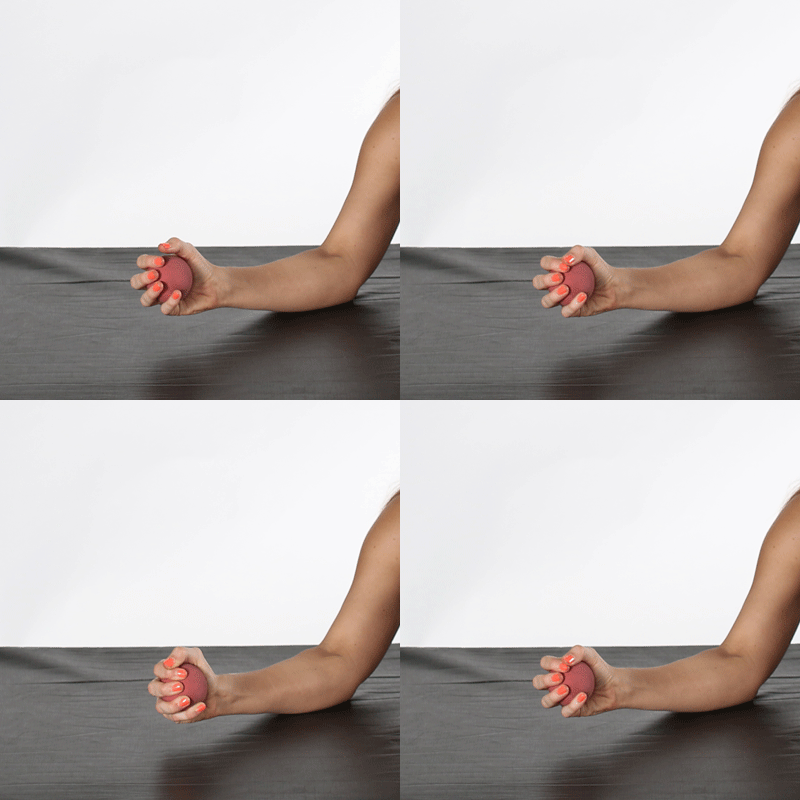
Squeeze a soft ball gently, hold 5 seconds, then slowly let go.
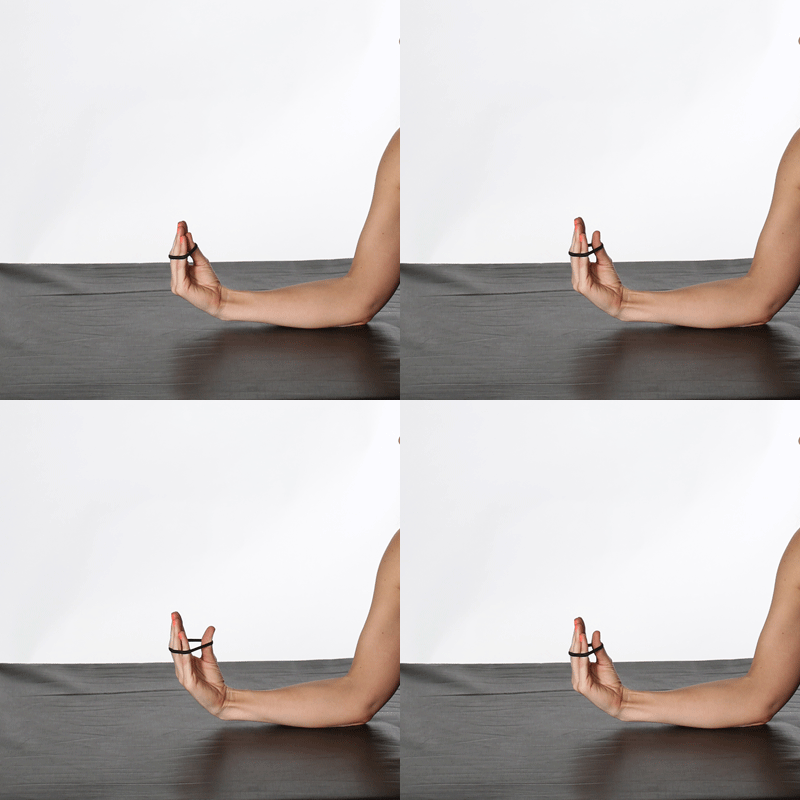
Put a small rubber band around your fingers and thumb. Slowly open them against the band, then close again.
De Quervain's tenosynovitis, often called "mommy thumb", is pain on the thumb side of the wrist. Two thumb tendons become irritated and swollen where they pass through a small tunnel near the wrist.
It hurts when you grip, pinch, lift your baby, or twist the wrist. You may feel tenderness and swelling at the base of the thumb, and sometimes a catching feeling.
It is much more common in women, especially in the months around pregnancy and the first year with a baby.
It comes down to too much load on a tight space. The tendons slide through a narrow tunnel every time the thumb moves. If the thumb and wrist are used a lot, in awkward positions, the tendons rub against the tunnel.
The rubbing irritates and thickens the tunnel lining, which makes the tunnel tighter, which makes the rubbing worse. That loop is why it keeps hurting even when you are not doing much.
So the plan is: calm the irritation (rest from the painful positions, a thumb brace if needed), keep gentle movement going (the stretches above), then rebuild strength so the tendons can handle daily life.
If pain keeps getting worse or doesn't ease after a couple of weeks, check with a doctor or physiotherapist.
Stop if it hurts sharply. A mild stretch is fine.